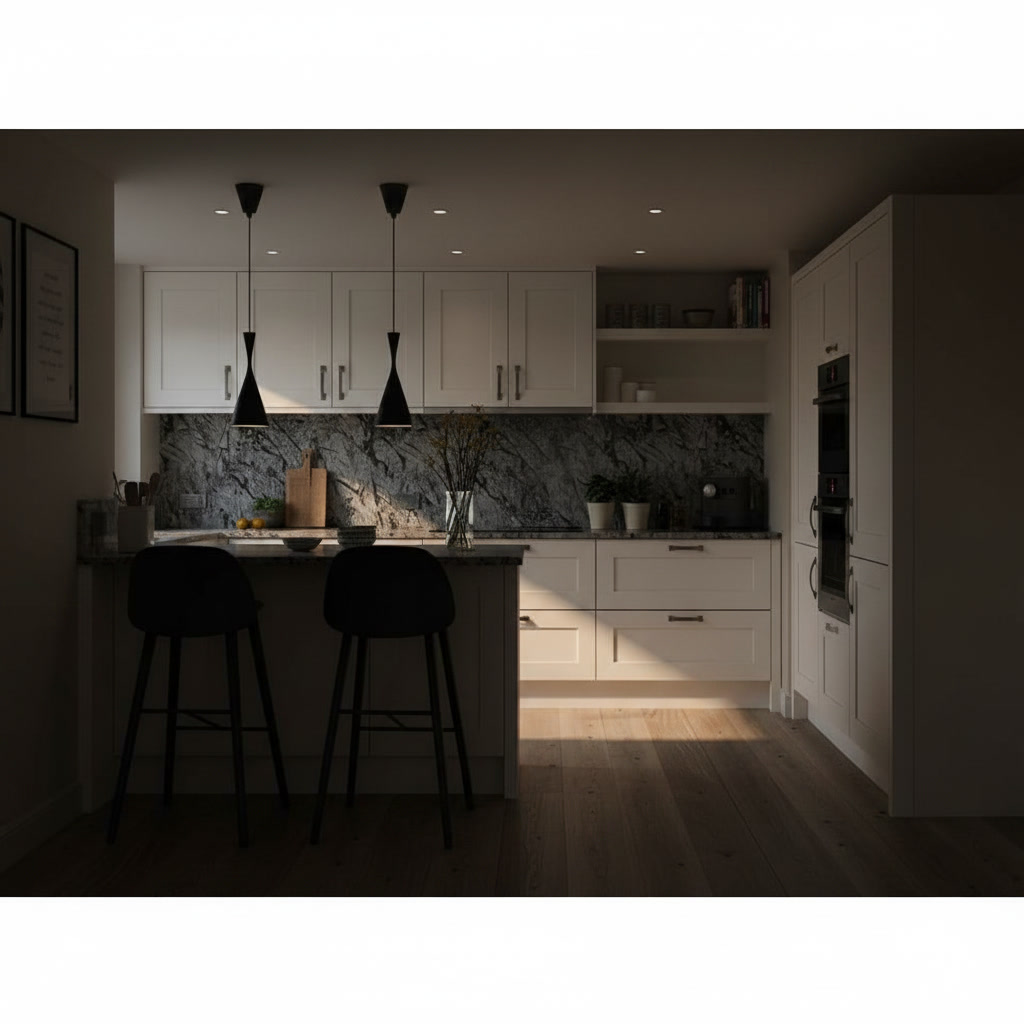
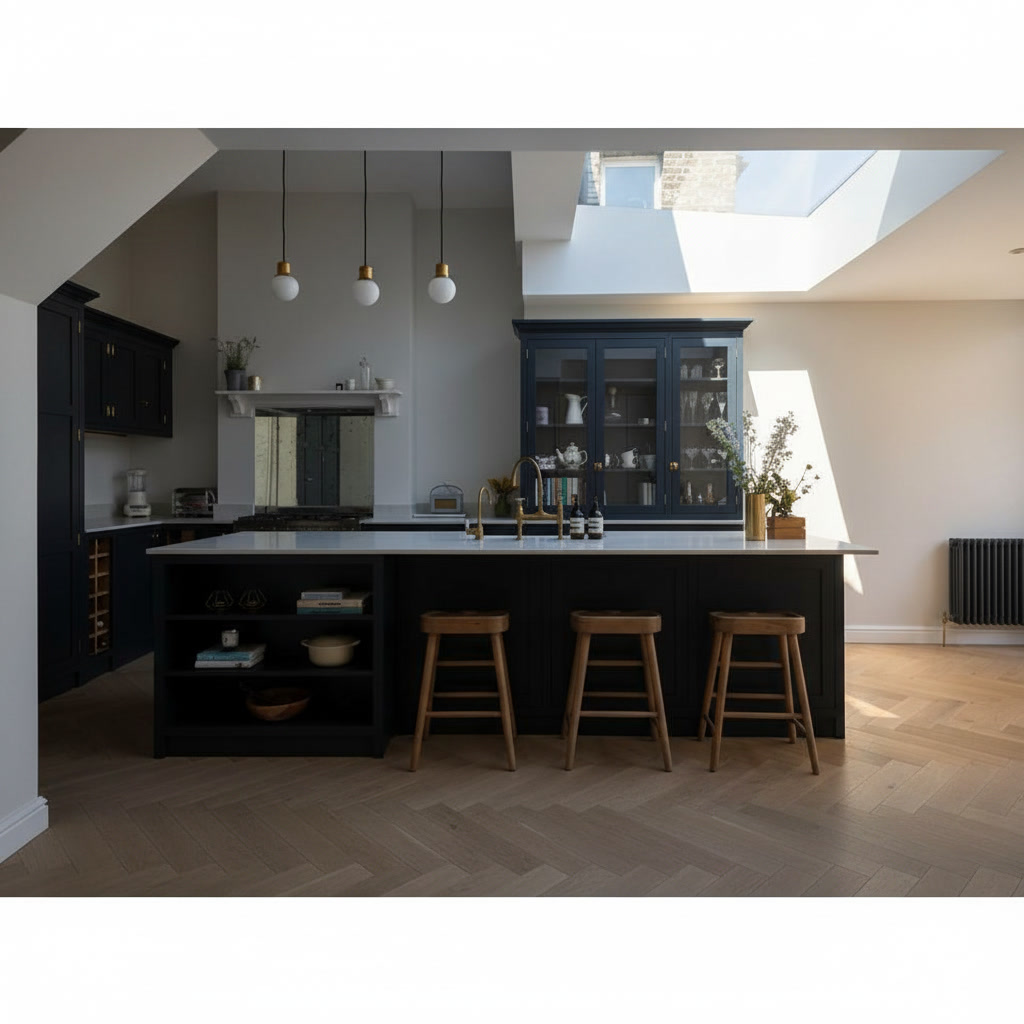
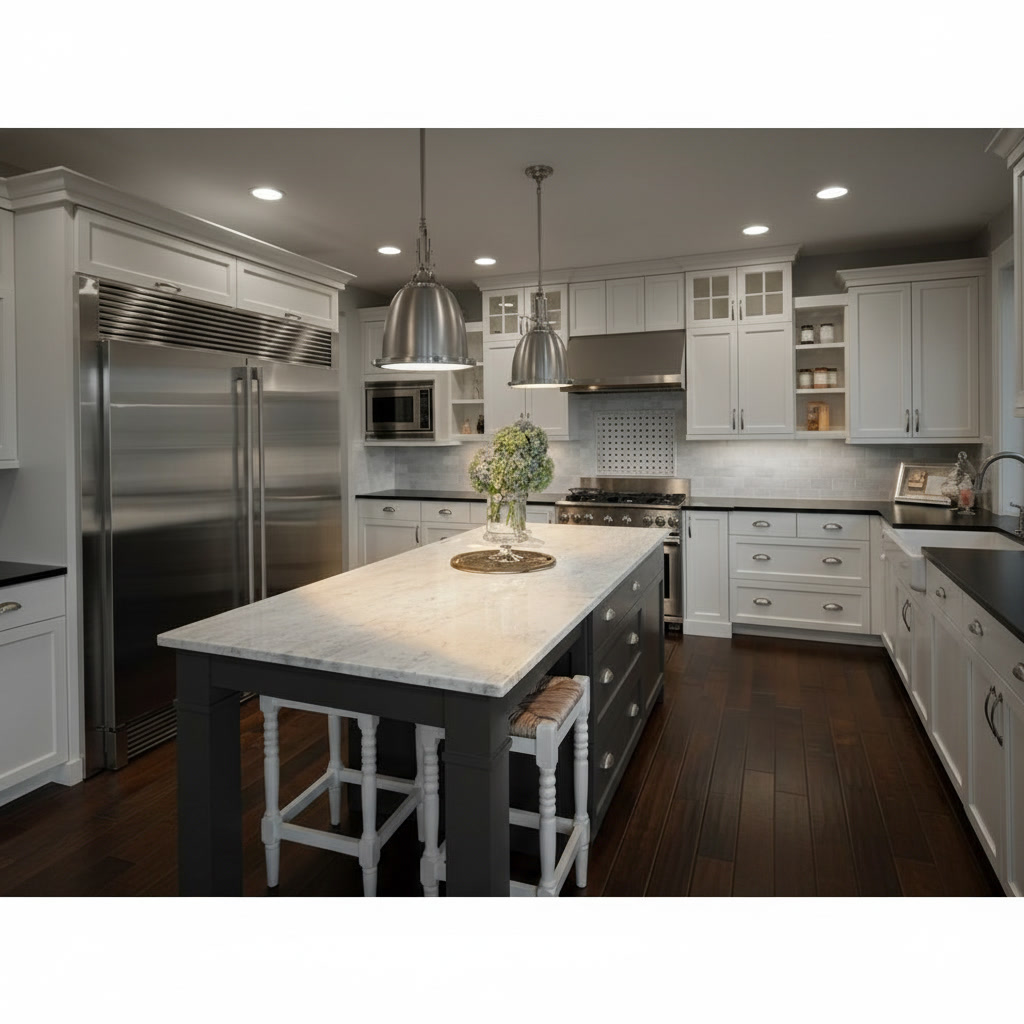
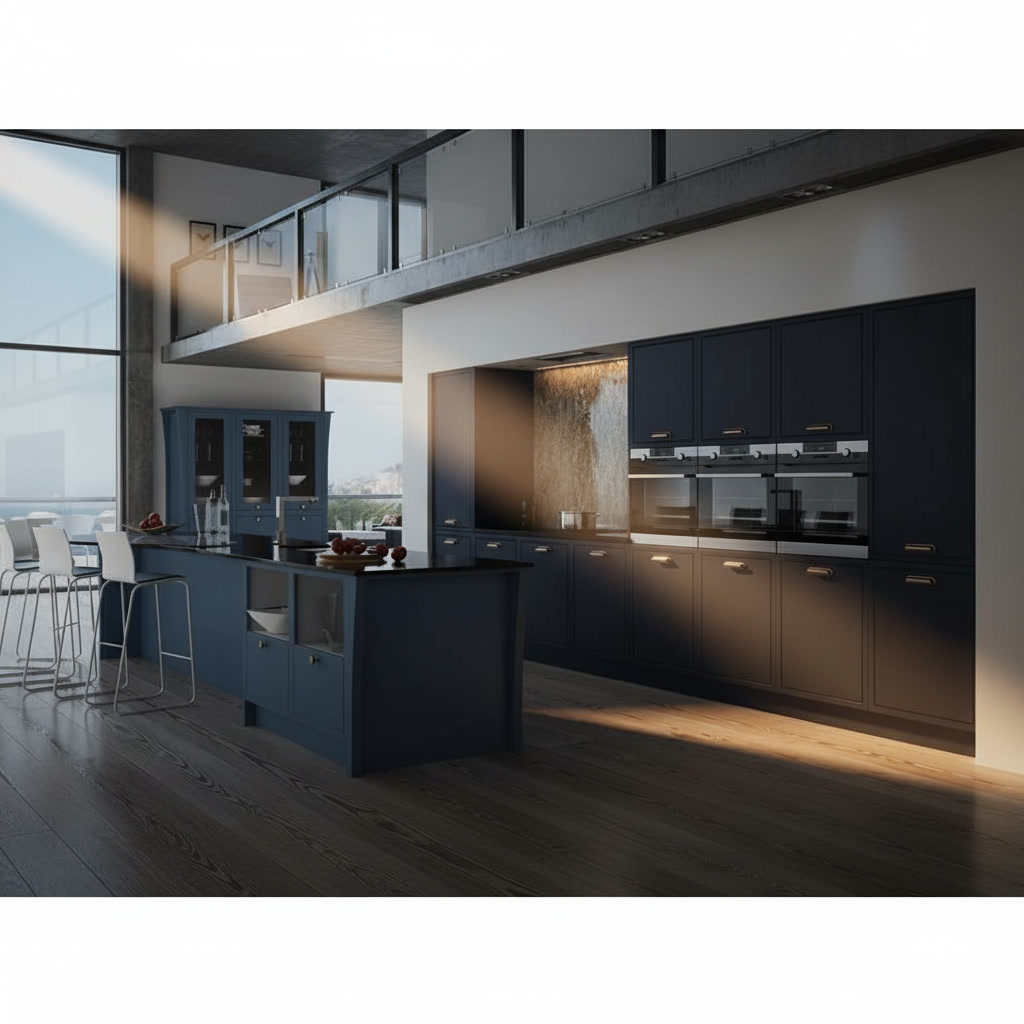
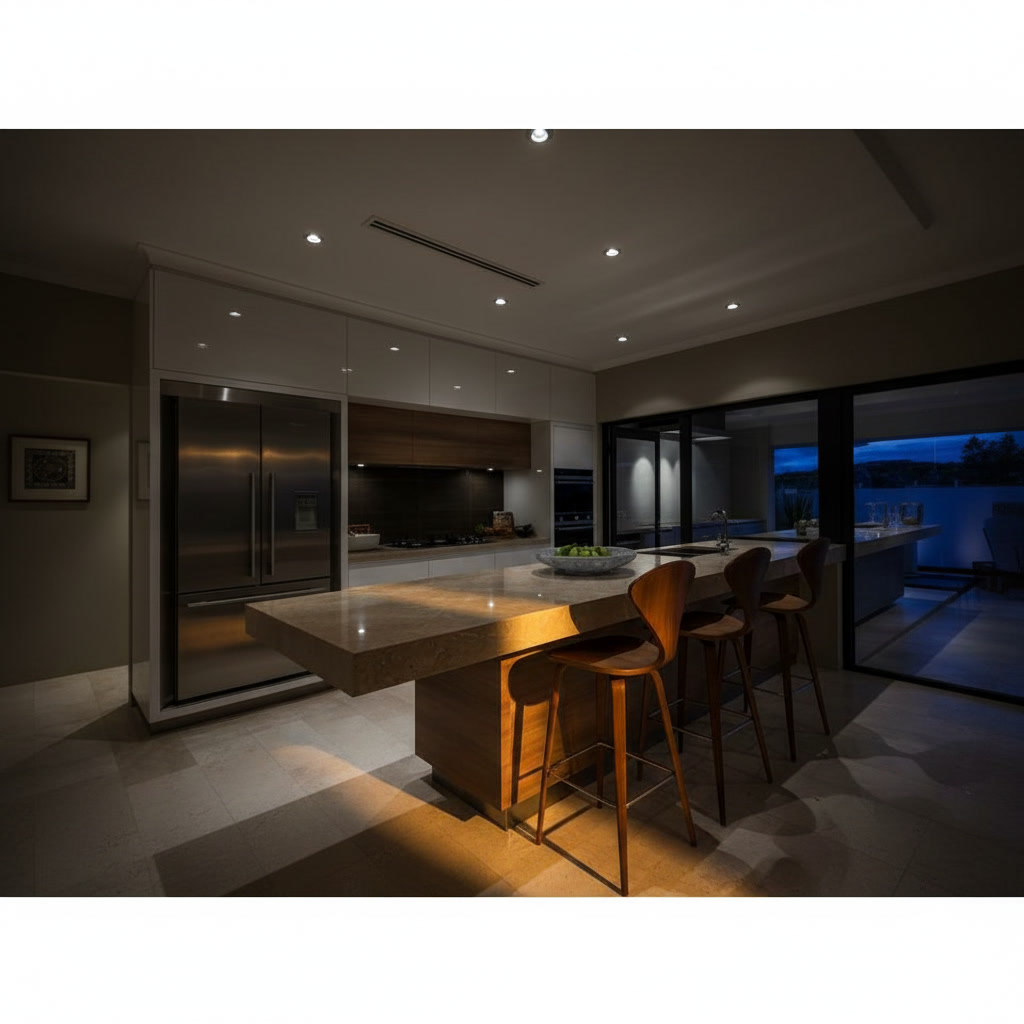
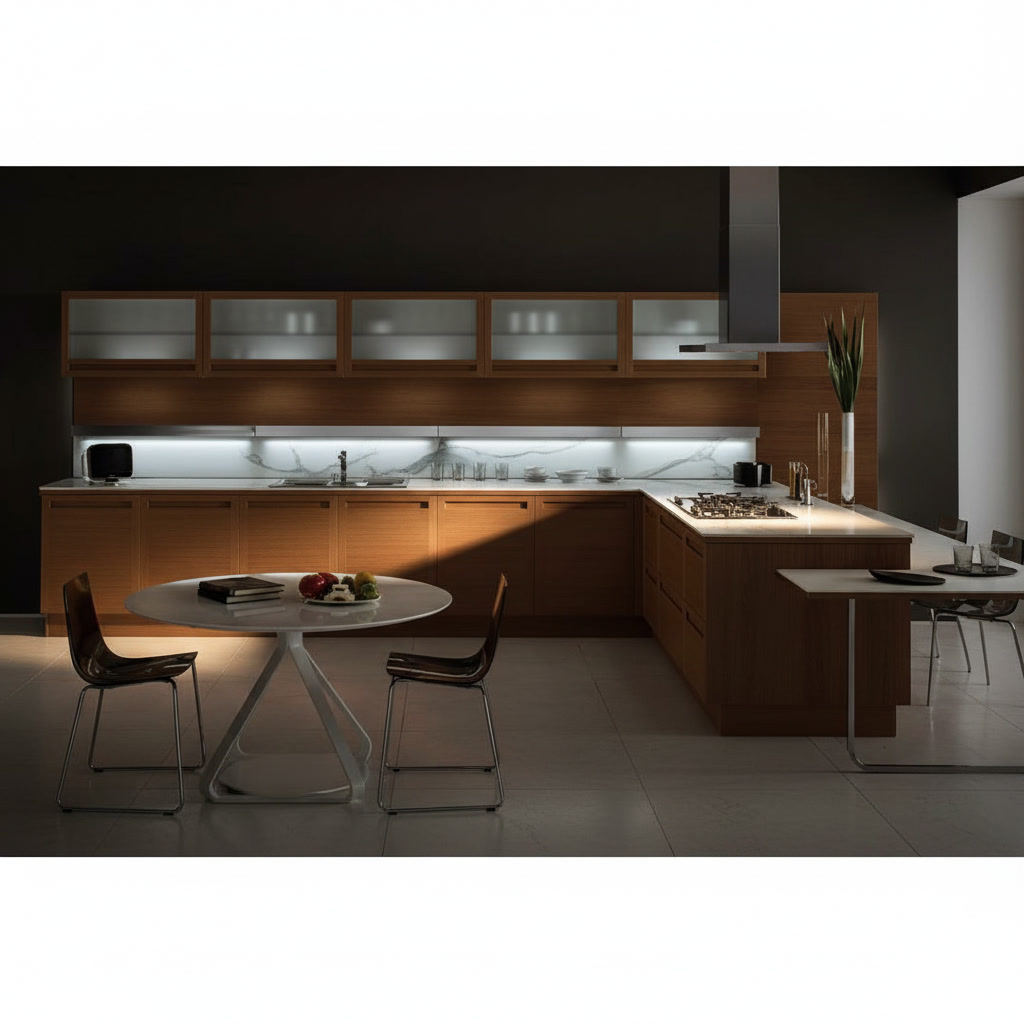
What you call a masonry kitchen, we build in refractory stone. Michelessi does not build in masonry: no clay blocks, no mortar, no cement. Nor does it build in faux masonry: no clad panels. It builds with refractory stone blocks fitted dry, worktops in marble or stone cut in its own workshop, and wooden doors.
The reason, in three lines: heat and water do most of their work in mortars, plasters and grout.
- Heat. The heat of an oven or a barbecue tests cement mortar first of all.
- Water. Water and steam settle in grout and plaster.
- Frost. Outdoors, frost works on the joints.
The full reasoning is on the page masonry vs refractory stone.
The method takes the best of the two worlds this page has compared:
- From faux masonry, reversibility. With no mortar, the blocks come apart as they went together: the kitchen opens up to reach a pipe, can be altered, dismantled and moved.
- From real masonry, mass. The sides are stone blocks: the marble worktop rests on stone, not on a panel.
- From neither, the mortar joints. There is no mortar to shrink as it dries and no plaster to swell with water: each block expands freely and, should it ever be needed, is replaced on its own.
Indoors, refractory stone is not there to survive a fire: it is there to give a structure with no mortar and no cement, the materials that the heat of the oven and the steam from the pans test hardest. It is the material traditionally used in ovens and hearths, extended to the whole kitchen. Laying stone on stone without binders is, after all, an ancient craft, which UNESCO inscribed in 2018 as intangible cultural heritage: it is the dry-stone walling technique that is protected, not kitchens. But it remains a tradition, not a shortcut.
The indoor kitchen Francesca is built this way: refractory stone structure, marble worktop, wooden doors; you will find it on the page of indoor kitchens. How real masonry is built, step by step, and why we build in a different way, is told on the page DIY masonry kitchen: how it is built.